
Research into Housing Preferences and Relocation Motives of Flemish People in Zeeuws-Vlaanderen
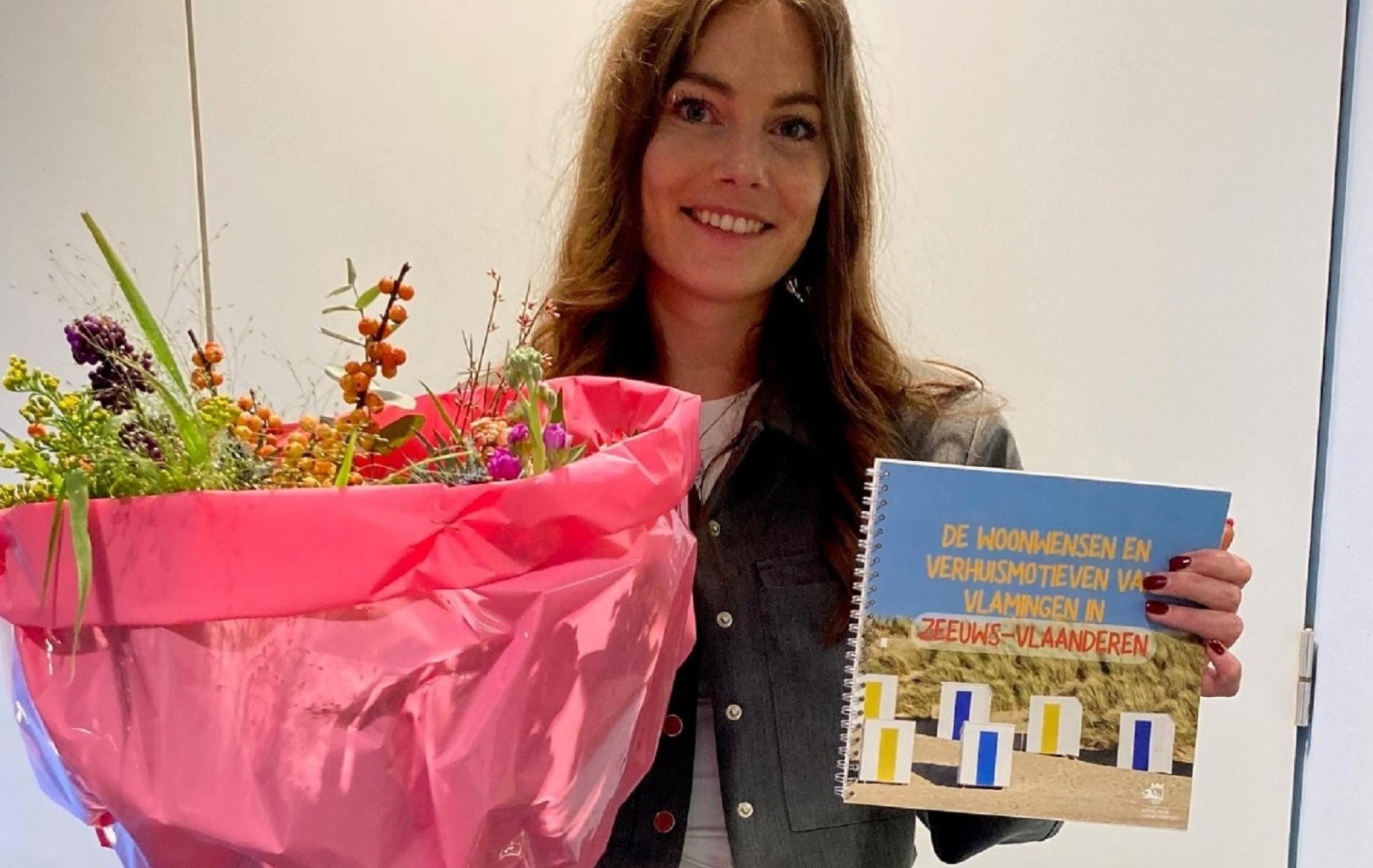
The Strategic Regional Vision for Zeeuws-Vlaanderen sets out the ambition to grow to 125,000 inhabitants. This growth is necessary to maintain current facilities. People with Belgian nationality, mainly from Flanders, are seen as an important target group for this growth. Current migration figures show that some of the Flemish people who settle in Zeeuws-Vlaanderen also return to Belgium. For this reason, OnbegrensdZeeuwsVlaanderen commissioned research into the housing preferences and relocation motives of Flemish people in Zeeuws-Vlaanderen. Future agency De Concepten Vijver conducted this research.
Research Design
The research was carried out using the DOTS analysis. This means that four analyses were conducted: target group, client, trend, and sector analysis. Among other things, a questionnaire was distributed and in-depth interviews were held with the target group and various experts and organizations. The opportunities identified in the research form the basis for the advice and recommendations.
Four Mentality Groups
The research shows that there are many different housing preferences and relocation motives. Therefore, four mentality groups were distinguished based on family composition and the motive for moving from Belgium to Zeeuws-Vlaanderen. The groups provide insight into the overarching wishes and needs. The 'borderless' (those who grew up near the border) and the empty nesters (parents whose children have left home or retirees) have the fewest motives to move back to Belgium. For empty nesters, moving back occurs if they need (more) care and therefore, for example, want to live closer to their children. The 'coast leavers' and 'space seekers' (families with young children) only move back if there is a financial advantage. The 'budget conscious' (singles and starters) is the group with the greatest desire to return to Belgium. They choose to do so as soon as they have sufficient financial means.
Advantages and Disadvantages of Living in Zeeuws-Vlaanderen
Why do Flemish people move to Zeeuws-Vlaanderen? First and foremost for the peace, space, nature, and surroundings. In second place is the lower cost of living, followed by the atmosphere and mentality of the people in Zeeuws-Vlaanderen. Health is the main reason why Flemish people return to Belgium, for example among empty nesters. The quality and availability of healthcare are considered better in Belgium than in Zeeuws-Vlaanderen. Taxes in general and pension taxation are also important reasons why Flemish people return.
Opportunities to Retain Flemish People in Zeeuws-Vlaanderen
The research describes several long-term opportunities. One of these is expanding, increasing, and adapting the housing supply. There is a need for single-person homes, flexible mortgage types, and permanent rentals. In addition, it is becoming a trend to live together with friends in one house. Legislation and regulations are not yet adapted to this.
We see that the need for peace and wellness is becoming an increasingly important aspect in our lives. Remote working offers opportunities to combine work, peace, and wellness. This is a chance to promote and position Zeeuws-Vlaanderen in these areas. For example, by offering temporary stays that can possibly be converted into a permanent base. In addition, obtaining more room for experimentation from the national government is an opportunity, for example in the areas of childcare, healthcare, and public transport. Platforms such as Hoplr offer opportunities for new residents to inform them and to stimulate social contact and bonding with the new neighborhood. It also appears that Flemish people need more information about taxes, laws and regulations, and the social system in the Netherlands.
Information Evenings
The research offers opportunities for both the short and long term to work on. The first concrete step we will take in 2025 is to organize welcome evenings for Flemish people. This will be done in collaboration with the three municipalities and other partners. During these evenings, informing, inspiring, and connecting will be central. The research indicates that there is a need for this.
Research
View the full research report.