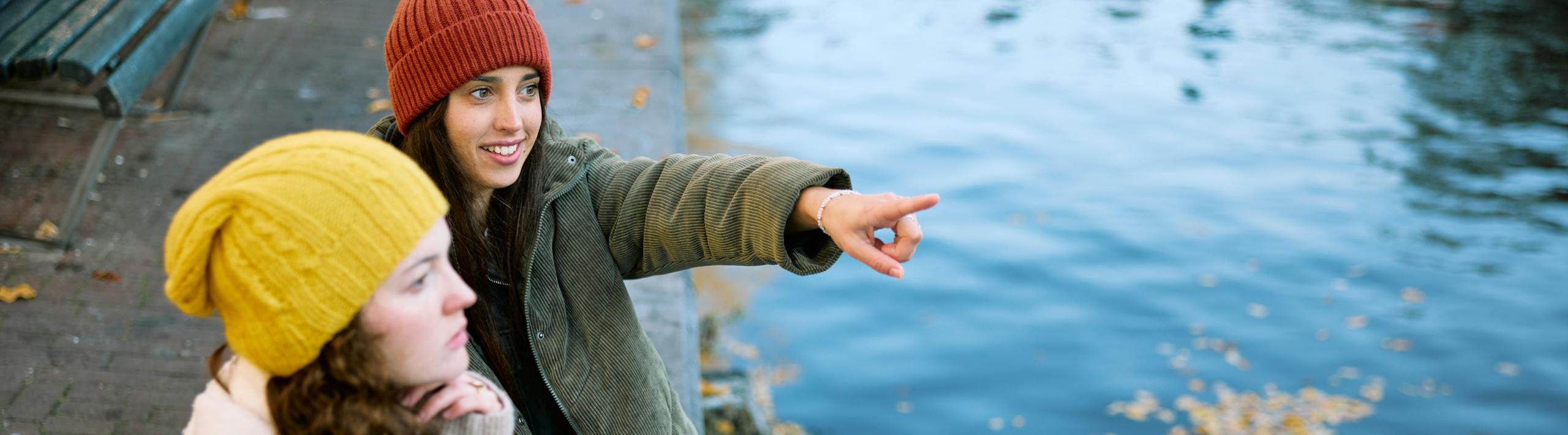

Zeeuws-Vlaanderen consists of the three municipalities of Hulst, Sluis and Terneuzen. Each municipality has its own identity and offers a variety of facilities and activities.
Municipality of Hulst
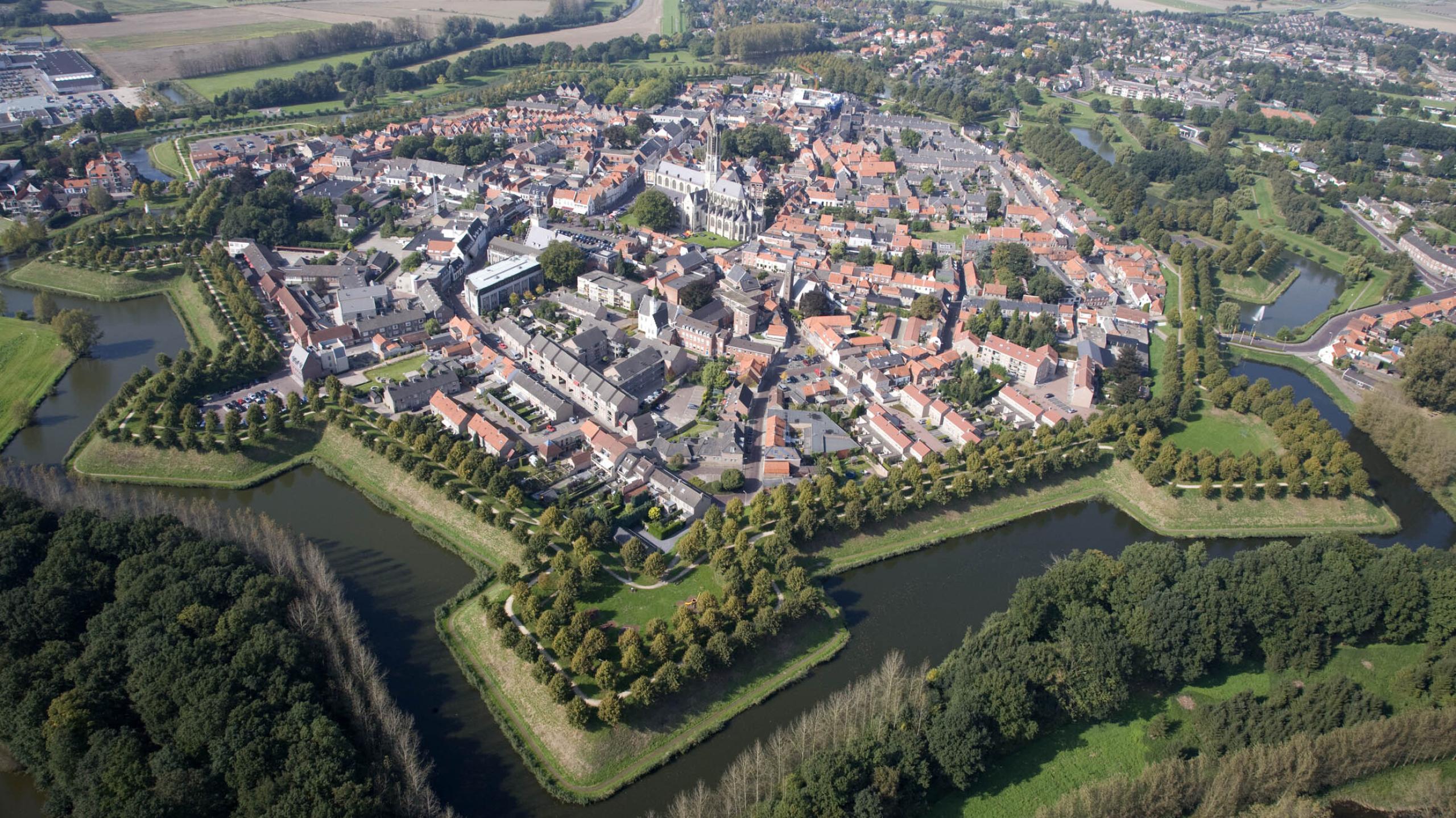
Hulst, located about 30 km from Antwerp, has 27,394 inhabitants and covers an area of 251 km². The city is known for its Burgundian lifestyle with a Flemish influence. The historic fortified city offers a lively city center, while the surrounding villages and polders provide peace and space. Employment is mainly concentrated in small and medium-sized businesses, with significant cross-border trade. The proximity to Antwerp makes Hulst attractive for commuters and businesses.
Municipality of Sluis
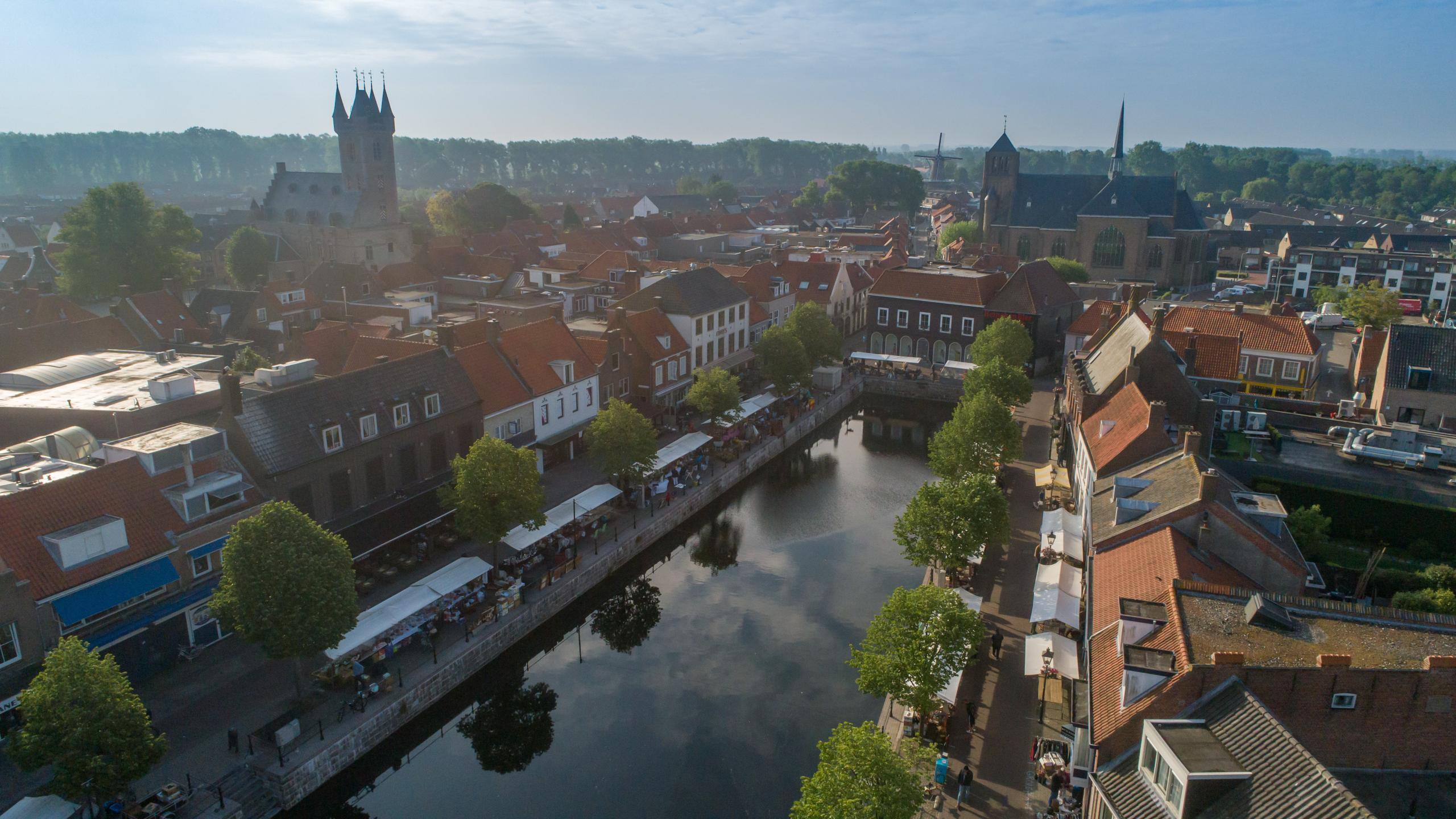
Sluis, located in the southwest of Zeeuws-Vlaanderen, has 23,152 inhabitants (as of January 1, 2024) and covers 380 km². The municipality is known for its tourist appeal with 12 km of North Sea coastline, wide sandy beaches and picturesque villages. The economy mainly revolves around tourism, hospitality and retail. The Flemish influence is noticeable in the welcoming atmosphere and culinary offerings. The proximity to Belgium makes Sluis popular with both Dutch and Belgian visitors.
Municipality of Terneuzen
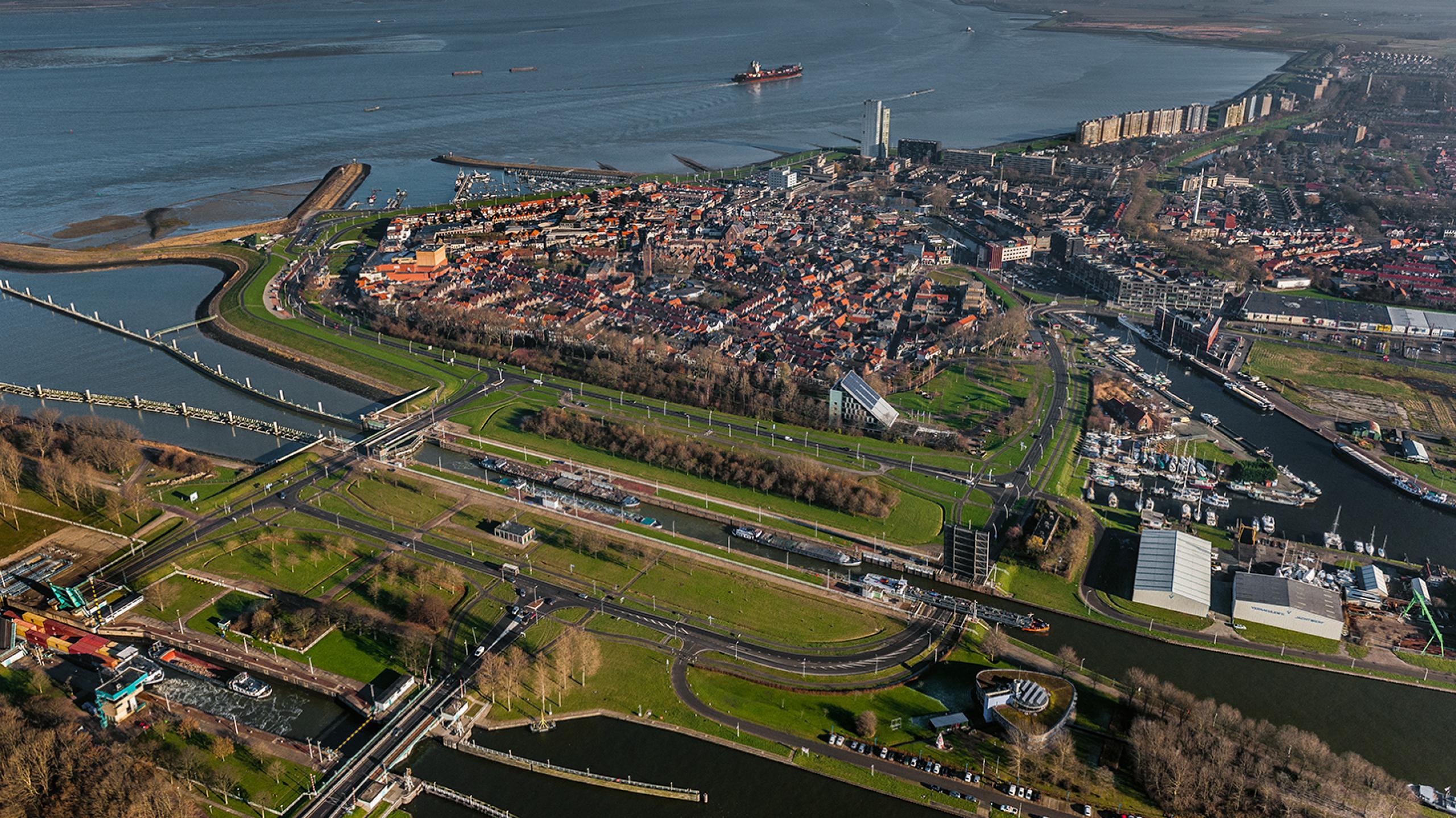
Terneuzen is the largest municipality in Zeeuws-Vlaanderen with 55,689 inhabitants (as of December 31, 2024) and an area of 251 km². The city has a down-to-earth, ambitious mentality and serves as the economic center of the region. The port on the Westerschelde and the industry, including international chemical companies, provide plenty of employment. The recent construction of the Nieuwe Sluis strengthens Terneuzen's position as a logistics hub and improves the overseas connection with Belgium.
Whether you are new to Zeeuws-Vlaanderen, returning to Zeeuws-Vlaanderen or have lived here your whole life, Zeeuws-Vlaanderen has something for everyone!
Frequently Asked Questions about the Three Municipalities
Find answers to frequently asked questions about Hulst, Sluis and Terneuzen, the three municipalities in Zeeuws-Vlaanderen.
1. Which municipalities make up Zeeuws-Vlaanderen?
Zeeuws-Vlaanderen consists of three municipalities: Hulst, Sluis and Terneuzen. Each municipality has its own character, facilities and economic focus areas.
2. What makes living in Hulst attractive?
Living in Hulst means living in a historic fortified city with a Burgundian atmosphere and Flemish influences. You will find peace, space and a lively city center. The proximity to Antwerp makes it even more attractive.
3. Why do people choose Sluis as a place to live?
The municipality of Sluis is popular because of its coast, wide sandy beaches and tourist villages such as Cadzand, Nieuwvliet and Groede. The municipality offers a welcoming atmosphere, plenty of hospitality and a strong tourism-based economy.
4. What are the advantages of living in Terneuzen?
Terneuzen is the economic heart of Zeeuws-Vlaanderen. With a large port, industry and international companies, the city offers plenty of employment. The Nieuwe Sluis strengthens the region's logistics position.
5. How is employment distributed across the three municipalities?
- In Hulst the focus is on SMEs and cross-border trade.
- In Sluis the economy mainly revolves around tourism, hospitality and retail.
- In Terneuzen you will find a lot of work in industry, logistics and the maritime sector.
6. How accessible is Zeeuws-Vlaanderen?
Zeeuws-Vlaanderen is easily accessible via the Westerscheldetunnel and is close to Belgian cities such as Antwerp, Bruges and Ghent. This makes it attractive for both living and working across the border. On our page about mobility you will find everything about public transport and the accessibility of Zeeuws-Vlaanderen.
7. What are the differences between the municipalities of Hulst, Sluis and Terneuzen?
Each municipality in Zeeuws-Vlaanderen has its own character. Hulst offers a Burgundian atmosphere and is close to Antwerp. Sluis is touristic and known for its coast, beaches and hospitality. Terneuzen is the economic heart of the region, with plenty of employment in industry and logistics. Together they form a versatile region to live, work and enjoy life.
8. What is the character of the inhabitants?
The inhabitants of Zeeuws-Vlaanderen are known for being friendly, down-to-earth and welcoming. There is a strong sense of community, with room for new residents and entrepreneurs.